
Mandela’s Long Walk, Reviewed in Context
Posted by Lynnea Bylund on Dec 27, 2013 in Blog | 0 comments
Preparing for the maiden voyage of the Gandhi Legacy South Africa tour while living during the historical imperatives of Mandela’s life and passing has been an uncanny quantum event for us. Time magazine called Mandela one of “Gandhi’s children” but when we set about initially to foster our Gandhi Satyagraha South Africa tour we did not imagine the increasing importance of Mandela and our melding of the two great statesmen of peace who would awaken there.
The challenges of making effective biopics are many, from the trap of hero worship to the importance of capturing a great person’s life in just two hours. These challenges are magnified when the film is about Nelson Mandela. It’s difficult not to feel reverent when reflecting on his great achievements.
In recent times, historical films like Elizabeth and Lincoln have shown us more by providing us less — by zooming in on pivotal moments in the lives of great men and women to tell a larger story. We no longer require them to be comprehensive to feel complete. If anything, the traditional cradle-to-the-grave narratives like Sir Richard Attenborough’s Gandhi now feel outdated. Justin Chadwick’s Mandela: Long Walk to Freedom is that kind of film. The life of the South African statesman Nelson Mandela would appear to be tailor-made for an awesome Hollywood biopic. But Chadwick’s portrayal works so carefully to include every important moment in the antiapartheid activist’s life that it sometimes fails to get beneath the surface of the man.
Perhaps Mandela is too difficult a character to nail down. Both Morgan Freeman (2009’s Invictus) and Terrence Howard (Winnie Mandela from earlier this year) have attempted, and neither successfully, to capture the revolutionary statesman protagonist’s charm and charisma.
Based on Mandela’s own 1994 memoir, the film exhaustively shadows his life, from early political awakenings as an idealistic Johannesburg lawyer in ‘40s, to his romantic courtship of future wife and revolutionary partner, Winnie, to his nearly three decades long imprisonment, to his eventual unconditional release and presidency of a country that once tried in vain to break his spirit.
It’s not just the arc that took Mandela from 27 years in prison — most of them in a tiny cell on an isolated island he was never expected to leave alive — to the presidency of South Africa and becoming one of the most respected leaders in the world that make this story so memorable. It’s the remarkable personal journey that went along with it.
As chronicled in William Nicholson’s screenplay, Mandela transformed several times over. He went first from being a successful lawyer to the leader of revolutionary political party. Then he condoned violence as necessary to achieving political aims before again renouncing violence.
Making his journey even more interesting is the great personal cost, especially in terms of marriage and family. Nelson and Winnie went from loving soul mates to really not speaking the same language. One of the most touching lines in Nicholson’s script has Mandela saying, “What they did to her was their only victory.”
All of Mandela’s life’s high-points are covered; unfortunately the film never slows long enough to allow us to truly see the dimensions of Mandela as one of the most complex and inspired leaders of the twentieth century. It’s difficult not to be awed by the historical impact of Mandela’s life, but Mandela the film is so intent on delivering the entire story that it bites off more than any 180 minute movie could possibly chew.
A couple of personal disappointments: No reasonable snippet of Mandela’s classic prison release speech, nor did we hear the ANC National Anthem as adopted by South Africa Nkosi Sikelel’ iAfrika “Lord Bless Africa”.
We were left hungry for more, but give it a solid B+ and ‘thumbs-up.’
——————————————–
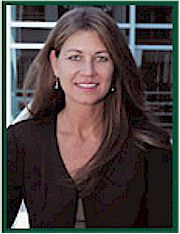 Lynnea Bylund is managing director of Gandhi Legacy Tours, Director of Gandhi Worldwide Education Institute, founder of Catalyst House and has nearly three decades of experience in administration, marketing and business development. She was a nationally recognized spokeswoman for the emerging alternative video and information delivery industries. She has a degree in holistic health-nutrition from the legendary and controversial health educator and activist Dr. Kurt Donsbach, she is the founder of two not-for-profit small business-based wireless trade associations and has lobbied on Capitol Hill and at the FCC where she has spoken out strongly against the cable TV monopoly, illegal spectrum warehousing and ill-conceived congressional schemes to auction our nation’s precious airwaves to the highest bidder.
Ms. Bylund is a founder and former CEO of a Washington DC telecommunications consulting and management company with holdings in several operating and developmental wireless communications systems and companies. In 1995 Lynnea became the first female in the world to be awarded a Broadband PCS operating permit – she was one of only 18 winners, along with Sprint, AT&T, and Verizon in the biggest cash auction in world history, raising a whopping $7.7 billion. Lynnea also spear-headed the successful effort to launch the first cable TV network in the South Pacific islands.
.. > Follow Lynnea on: +LynneaBylund – Twitter – LinkedIn – FaceBook – Pinterest & YouTube
